How to Get Productive Feedback from Beta Readers
Have you heard the terms “alpha” and “beta” readers thrown around and wondered what they meant? Here’s a quick breakdown of both to help you decide which of the two you may be ready for with your own novel.
Alpha readers
Alpha readers are the initial readers of some aspect of your novel, whether it be a portion of the novel or a first draft. If you are part of a writing community or critique group, these members often make helpful alpha readers. They can help you work past big-picture issues with your novel when you feel stuck. Developmental editors and book coaches are valuable alpha readers because they are skilled at assessing manuscripts at the story level and can help you untangle unwieldy plots or bring life to flat characters.
Beta readers
Beta readers can also be considered your “ideal readers.” They’re the people you believe will most enjoy your book. Often, they are not writers or editors, so they won’t be reading with a critical eye for revision. Instead, they are reading your novel as just that: a reader. They can tell you what they like, but they may not be able to articulate why they like it. They may also be reluctant to tell you what they don’t like, especially if they’re a friend or family member. For this reason, who you choose to beta read can be as important as when you choose to share your manuscript.
Productive feedback
I recently shared my manuscript with a handful of beta readers, many of whom do not write. I wanted to make sure I received useful, targeted feedback, so I created a Google form with specific questions I wanted answered (thanks to fellow writer, Anne, for inspiring this idea!). This worked really well because it created a spreadsheet with all of the responses, making it easy for me to see patterns across responses.
I took it a step further and also requested that my beta readers make their own copy of the manuscript and insert comments whenever they felt pulled out of the story due to confusion, boredom, or if the action/dialogue seemed unbelievable. I emphasized that this would not hurt my feelings, as I needed to know so I could fix the issue. I also asked them to indicate any time they were craving more descriptive details, either about the setting or the characters.
The result? I received really concrete, meaningful feedback that I’m now incorporating into revisions. I’ve also had many heartfelt, joyful conversations with a few of my beta readers. There’s something so special about talking about your novel with readers. It brings legitimacy to the whole endeavor.
Want to give my beta-reading process a try? Here is a copy of the introduction and questions I used to create a Google Form and then share with my beta readers.
If you’re not sure if you’re ready yet for beta readers, let me help you. I offer full manuscript evaluations designed to help you solve any big-picture problems with your story before you share it with beta readers, and especially before you pitch agents or self-publish.
Questions about beta readers? Please ask in the comments, and I’ll be sure to respond!

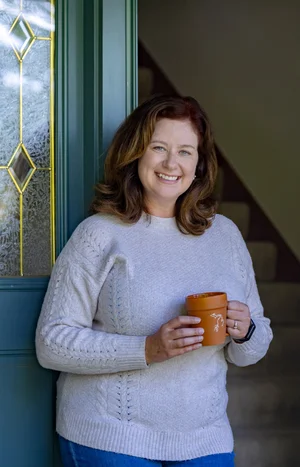
A woman smiling while reading a book and holding a cup of coffee.