
How Microfiction Can Help You Get Back to Your Novel
Has your novel lost its spark after weeks or months away? Before forcing yourself back into Chapter 12, try something different. Writing microfiction can help you reconnect with your characters, rediscover your voice, and build the momentum you need to return to your manuscript.
Why Writers Need Teachers Too: The Value of Book Coaching
Many writers believe they need another craft book, webinar, or workshop to improve their novel. While those resources can be valuable, information alone rarely creates transformation. In this post, I explore what twenty+ years of teaching have taught me about learning, feedback, and why writers need guidance, not just instruction.
The Health Benefits of Writing Fiction
In celebration of Mental Health Awareness Month, let’s explore the healing power of writing fiction.
How to Pitch an Agent In-Person
Pitching a literary agent in person sounds terrifying…until you survive it. In this post, I share exactly how I prepared for my first live pitch session, what the conversation with the agent was actually like, and what I learned after receiving a full manuscript. If you’re preparing to query, pitch at a conference, or simply trying to understand how the publishing process works, this behind-the-scenes look will help you approach pitching with more confidence.
Getting to Know Your Ideal Reader
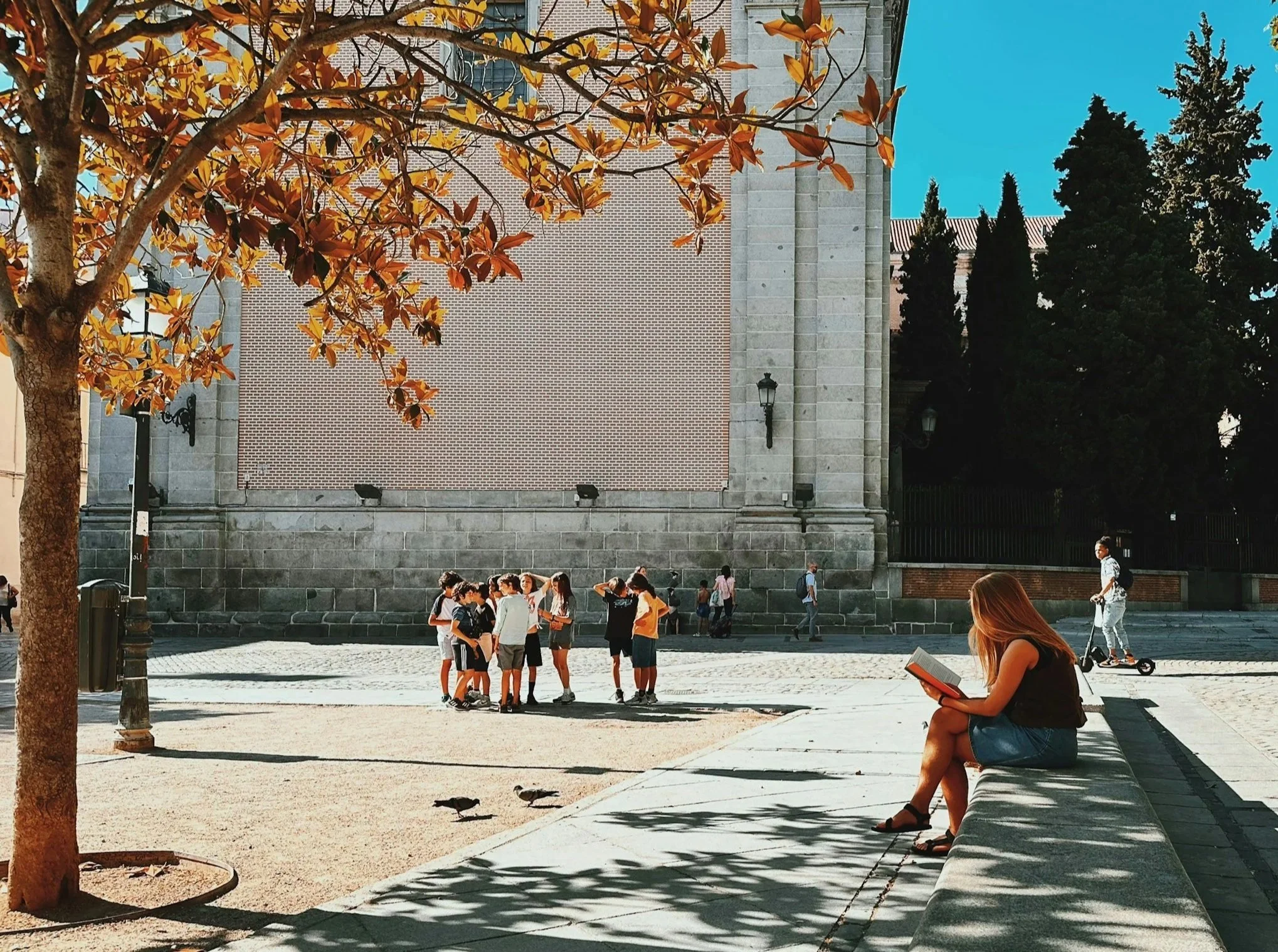
Finding your ideal reader isn’t about limiting your audience; it’s about finding purpose. When you know exactly who your book is for, your writing becomes more focused, your decisions feel easier, and the pressure to please everyone starts to fall away.
How to Format Your Novel Manuscript in Google Docs (Quick Guide)
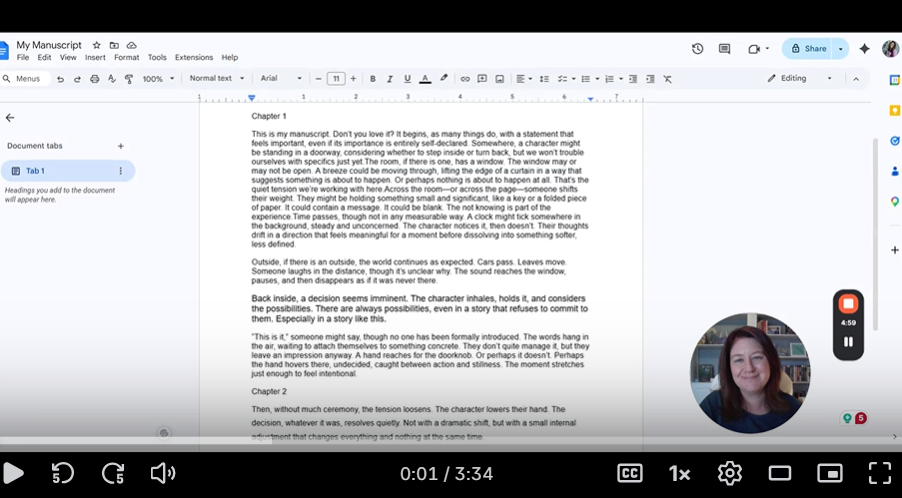
Formatting your manuscript doesn’t have to wait until the end. In this quick guide, I’ll show you how to set up your novel in Google Docs using a simple, standard format with three short videos and a ready-to-use template.

How to Document Your Writing Journey While Writing a Novel
Writing a novel is a long process, and it’s easy to forget how far you’ve come. In this post, I share why documenting your writing journey matters—and simple ways to start, even if you’re short on time. This small habit can help you stay motivated, build community, and create a record of your progress as a writer.

Do You Hear or See Your Story? A Drafting Insight for Novelists
Do you hear your story, or do you see it?
Some writers draft through dialogue while others picture the scene first. Recognizing your natural tendency can help you write forward without getting stuck trying to perfect every detail at once.

When You Don’t Know What Happens Next, Ask Your Characters
Returning to your novel after time away can feel harder than stepping away in the first place. If you’re unsure what to write next, the solution may not be more outlining or planning. This post explores a simple way to reconnect with your story by leaning on your characters to help you move forward again.
Is It Okay to Take a Break from Writing Your Novel? (Yes.)
Sometimes the best thing you can do for your novel is step away from it. Life interruptions don’t mean you’ve lost momentum or commitment; they’re often part of a sustainable creative process. In this post, I share why taking breaks can actually deepen your connection to your story and how to return to writing without guilt or pressure.

You Run a Classroom. You Can Write a Novel.
You run a classroom. You manage a family. You can write a novel. If you’ve been starting and stopping, it’s not because you lack creativity. It’s because you haven’t been shown a clear, step-by-step way to build your story or given yourself permission to protect the time it requires.

How to Choose a Novel Idea You Want to Spend Years With
Between teaching, parenting, and everyday life, your writing time is limited, which makes choosing the right novel idea feel surprisingly high stakes. If you’re stuck between too many possibilities, this post will help you sort through the noise, clarify what matters most, and pick one story to begin.
Your Novel Notes Aren’t a Mess: They Just Need a Home
Your novel ideas aren’t scattered because you’re disorganized — they’re scattered because you’re writing in the margins of a very full life. Sticky notes, Google Docs, random notebooks… it all counts. Here’s the simplest way to gather everything into one place so you can finally move forward with your novel.

Two Reasons Why You’re Struggling to Start Your Novel (Spoiler: It’s Not Lack of Time)
If you’ve been telling yourself you’ll write your novel “when life slows down,” this might feel familiar. I used to think time was the problem too, until I realized guilt and a lack of structure were what actually kept me stuck. The good news? Both of those things can change.

When “Productive” Work is Actually Avoidance (and How to Break the Cycle)
Ever notice how “getting ready to write” turns into cleaning, organizing, or revising old work? That’s not procrastination. It’s productive avoidance, a protective response that shows up when you’re overwhelmed or stuck. Here’s how a clear, gentle plan can help you move forward with your novel.

You’re Not Behind on Writing Your Novel
Writing a novel doesn’t follow the calendar. If you’re feeling behind, this post offers reassurance, perspective, and a gentle way to take back control of your writing—without pressure, guilt, or starting over.

Igniting the Creative Spark: My Favorite Mindset Books I Read in 2025
These are the books that most helped me shift my mindset as a writer. Because the truth is, a negative attitude can derail even the strongest writing skills. Learning how to protect your mindset is just as important as learning craft. These reads offer tools to help you stay steady, hopeful, and moving forward.

How to Get Productive Feedback from Beta Readers
Have you heard the terms “alpha” and “beta” readers thrown around and wondered what they meant? Here’s a quick breakdown of both to help you decide which of the two you may be ready for with your own novel.

Writing a Novel is a Commitment: Know Your “Why”
If you think you’re too old (or too young!) to write a novel, you’re not. There’s no “window of opportunity” to write one. You write a novel when you’re ready to finally commit to writing it. You can commit at any time, but it does take commitment.

My Number One Tip For Anyone Writing a Novel
Writing a novel can feel lonely fast, especially when you’re trying to figure everything out by yourself. But willpower isn’t what gets most writers to the finish line. Support is. In this post, I share my number one tip for novelists: find your people and stop writing alone.