Is It Okay to Take a Break from Writing Your Novel? (Yes.)
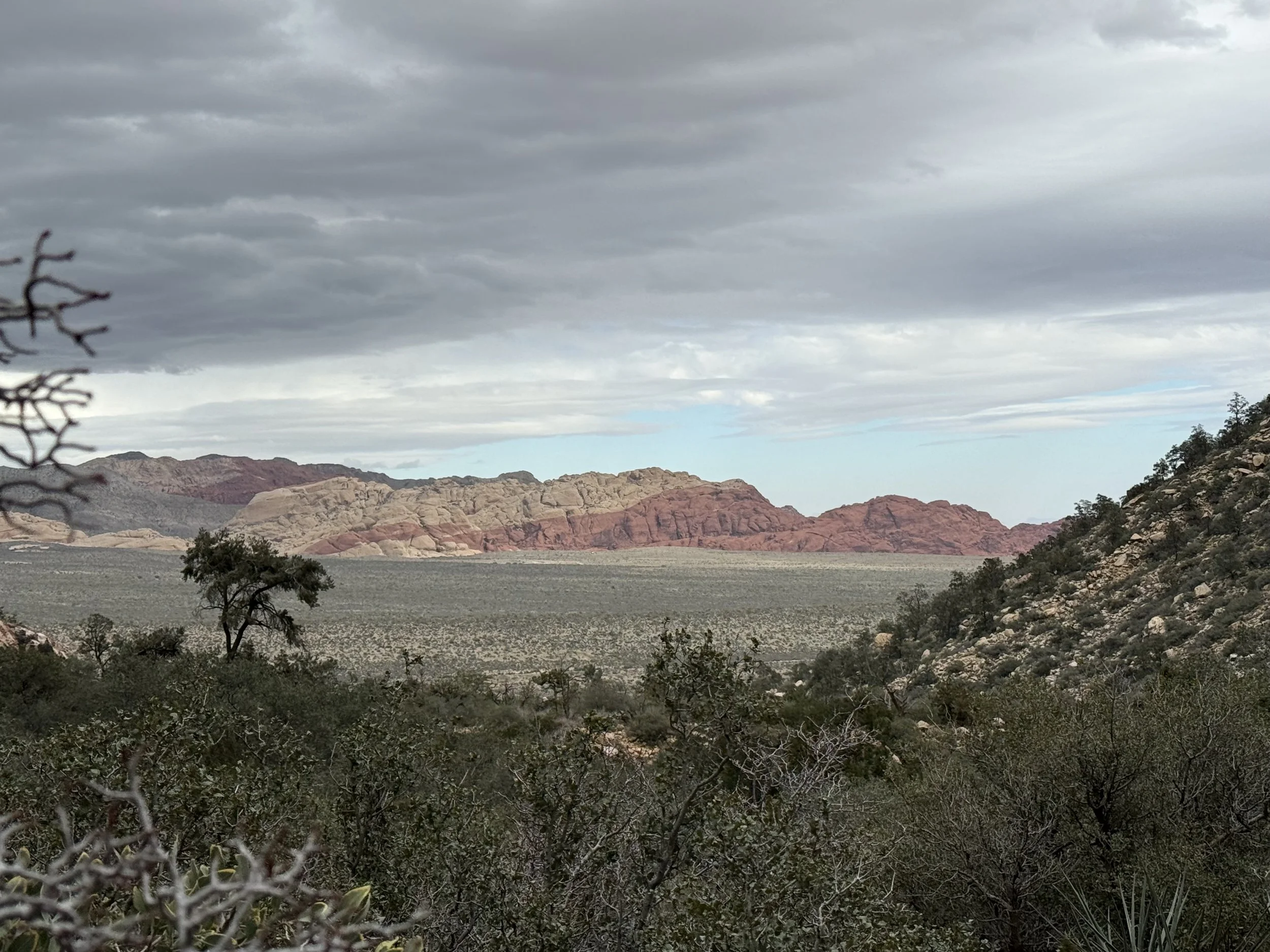
View of Red Rock Canyon from Ice Box Canyon Trail in Las Vegas, Nevada.
Absence makes the heart grow fonder. I’m reminded of this every time I travel, because while I genuinely love being somewhere new, I also love the quiet relief of stepping back into my own home after a long day of airports, delayed flights, and living out of a suitcase. Something settles when I return, and familiar routines feel comforting again in a way they didn’t before I left.
Writing a novel works in much the same way.
This past weekend, I was in Las Vegas for my youngest son’s soccer tournament. I packed my laptop with every intention of writing and imagined small pockets of time appearing between games or early in the morning before everyone else woke up. Instead, our days filled up quickly. We moved from one activity to the next, jet lag lulling us to bed early, and 8 a.m. games getting us up and moving at the same time as all-night gamblers were stumbling to bed (Vegas is a weird place to be with kids).
Between soccer games and sightseeing, opening my computer was the last thing I wanted to do. And it turned out that stepping away was exactly what I needed.
When I finally opened my laptop at the airport waiting to fly home, I didn’t do it because I felt disciplined or productive. I opened it because I missed my novel. I missed thinking about my characters and returning to the world I’d been living in before the trip. That feeling matters.
When Stepping Away Is Exactly What You Need
Many writers assume they should feel excited every time they sit down to write, but anyone who has spent real time working on a novel knows the emotional experience is far less predictable than that. Writing a novel asks for long-term commitment, and like any relationship that unfolds over months or years, there are stretches of ease alongside stretches that feel effortful or distant.
For writers balancing teaching, parenting, and the ongoing mental load of daily life, interruptions aren’t the exception; they’re inevitable. A demanding week at school, family travel, illness, or simple exhaustion can quietly dismantle even the most carefully planned routine, and that disruption often carries more guilt than it deserves.
The Goal Is Always to Return
Remember, though, that the goal is never perfect consistency. The goal is to always return to the work.
Taking a break doesn’t always mean you’ve lost momentum or abandoned the work. In many cases, stepping away allows your subconscious to keep solving problems while your attention rests elsewhere. How many of you find bouts of inspiration on a walk, in the shower, or in the school pickup line? Ironically, a little distance can actually kickstart future progress.
A helpful guideline is surprisingly simple: when you begin to miss your novel, that’s your signal to come back.
Missing the work means your connection to it remains intact. Your characters are still present, even if you haven’t opened the document in days or weeks, and the story continues to live quietly in the background of your thinking.
Remember that creativity benefits from periods of rest as much as production. Experiences away from the page can often deepen creative energy rather than interrupt it.
What’s most important is that you do return to the page. And when you do, don’t try to compensate for lost time by setting high-pressure writing goals. Instead, reopen your manuscript gently. Reread a scene you enjoy. Write a small amount. Allow yourself to reenter the story gradually rather than demanding immediate momentum.
Most of all, be kind to yourself when life disrupts your writing expectations. Writing alongside a full life requires flexibility, and accepting that reality often makes the process more sustainable and far more enjoyable. Habits can be rebuilt, and momentum tends to return faster than we expect once we reconnect with the work.
If you find yourself missing your novel after time away, take that feeling seriously. It means the relationship is still there, waiting patiently for your return. And when you do return, you might find yourself wondering what to write next. If that’s where you are, I wrote about a simple way to reenter your story by leaning on your characters.
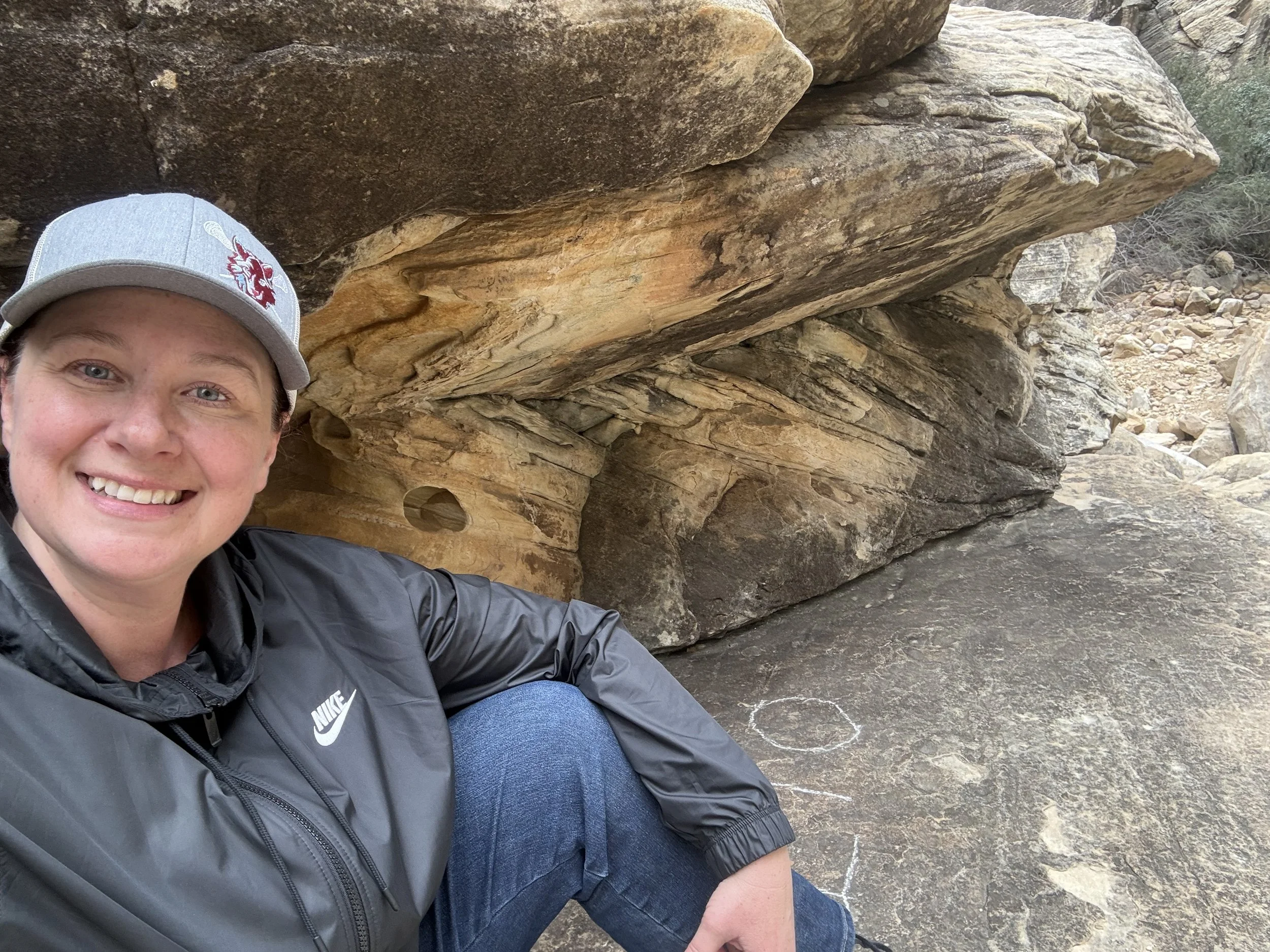
Me, conquering my fear of heights at Ice Box Canyon.