Your Novel Notes Aren’t a Mess: They Just Need a Home
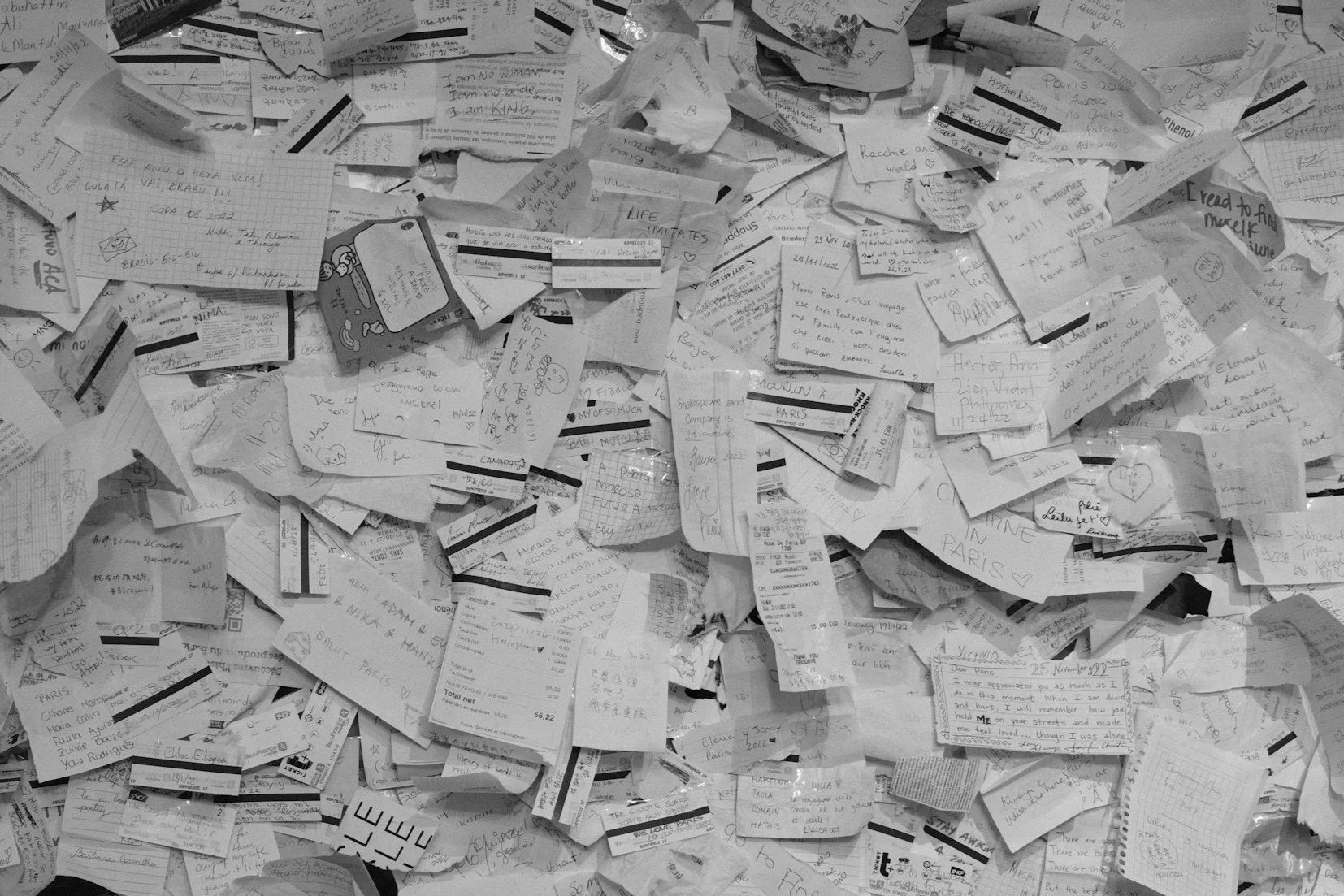
Let me guess. Your novel idea isn’t in one place. It’s everywhere. A few paragraphs in a Google Doc. Character sketches in the Notes app on your phone. A half-filled notebook from last summer. Sticky notes tucked inside your planner. A document on your laptop called “draft _ five _ new.” Three voice memos you recorded in the school pickup line. You have all these great ideas, but every time you think about “getting serious” about your novel, you feel this low-grade, buzzing stress. You don’t know where to start. It feels messy. Scattered. Disorganized.
But here’s the thing: it’s not that your ideas are a mess. They just don’t have a home yet.
The Myth of the Organized Writer
We have this image of the “real writer.” She has one beautiful Scrivener file. Color-coded tabs. Perfect outlines. Everything neatly labeled. Sounds dreamy, doesn’t it?
Meanwhile, you’re over here digging through old emails trying to find that one sentence you wrote during lunch duty. You start to spiral and think you’re too scattered, too busy, and too distracted to write a novel.
But here’s what I’ve noticed from coaching writers and my own writing: it’s not a discipline problem. It’s a container problem.
This is How Real Life Writing Happens
When you’re juggling lesson plans, papers, kids’ schedules, and dinner, your creativity sneaks out wherever it can. In the carline. Waiting at the doctor’s office. At your kid’s soccer game.
So, of course, your ideas are scattered. They’re created in stolen moments. That’s not failure. That’s resourcefulness.
The issue is that when those ideas live in ten different places, something sneaky happens. You sit down to write, and your brain thinks: First, I have to find everything.
And that tiny bit of friction?
It’s enough to stop you before you start.
My Cyber Junk Drawer Confession
Every so often, I open what I affectionately call my “cyber junk drawer.” It’s my Google Drive, and it’s a folder full of folders. These folders contain snippets of writing, partial drafts, and half-finished stories. It looks chaotic at first, but when I dig in, I always find something useful, like a forgotten line I love, a scene I scratched, or a “dud” idea that suddenly clicks. What I used to label as “junk” is actually creative compost and proof that I’ve been showing up.
Your scattered notes are the same. They’re evidence that you are a writer. You’ve been thinking about this story for months, maybe years, and you’ve got the writing snippets to prove it. Now, you just need to gather all the pieces.
The Simplest Way to Organize Your Novel Ideas
You don’t need a complicated system, new software, or a weeks-long overhaul. You can take one simple step.
Create a single document and call it My Novel. If you have a working title, even better.
Then take some time to copy and paste everything into it: documents, notes, messy drafts, photos of handwritten pages (or type them out if you prefer), and voice memos you can transcribe now or later.
You don’t have to sort or organize… yet.
For now, just gather everything together, like you’re scooping all the puzzle pieces into one box.
Why This Works (Even Though It’s So Simple)
When everything lives in one document, something shifts emotionally. You stop thinking, My novel is everywhere, and start thinking, My novel is here. It lowers the barrier between you and the work. And for busy, tired writers? Lower barriers change everything.
A Gentle Reminder
If you’ve been telling yourself you’re behind or disorganized or “not cut out for this,” I hope you’ll reconsider. You don’t need more willpower or more time. You just need to take it one step at a time, and creating one document to store all your novel scraps is an excellent place to start.
A quick reminder: on Wednesday, February 4, from 7–8 p.m. EST, I’m hosting a free webinar about what stops us from starting our novels and how to move past these blocks. I’d love to see you there. If you’re craving a little clarity and momentum, this webinar will help. Register here.