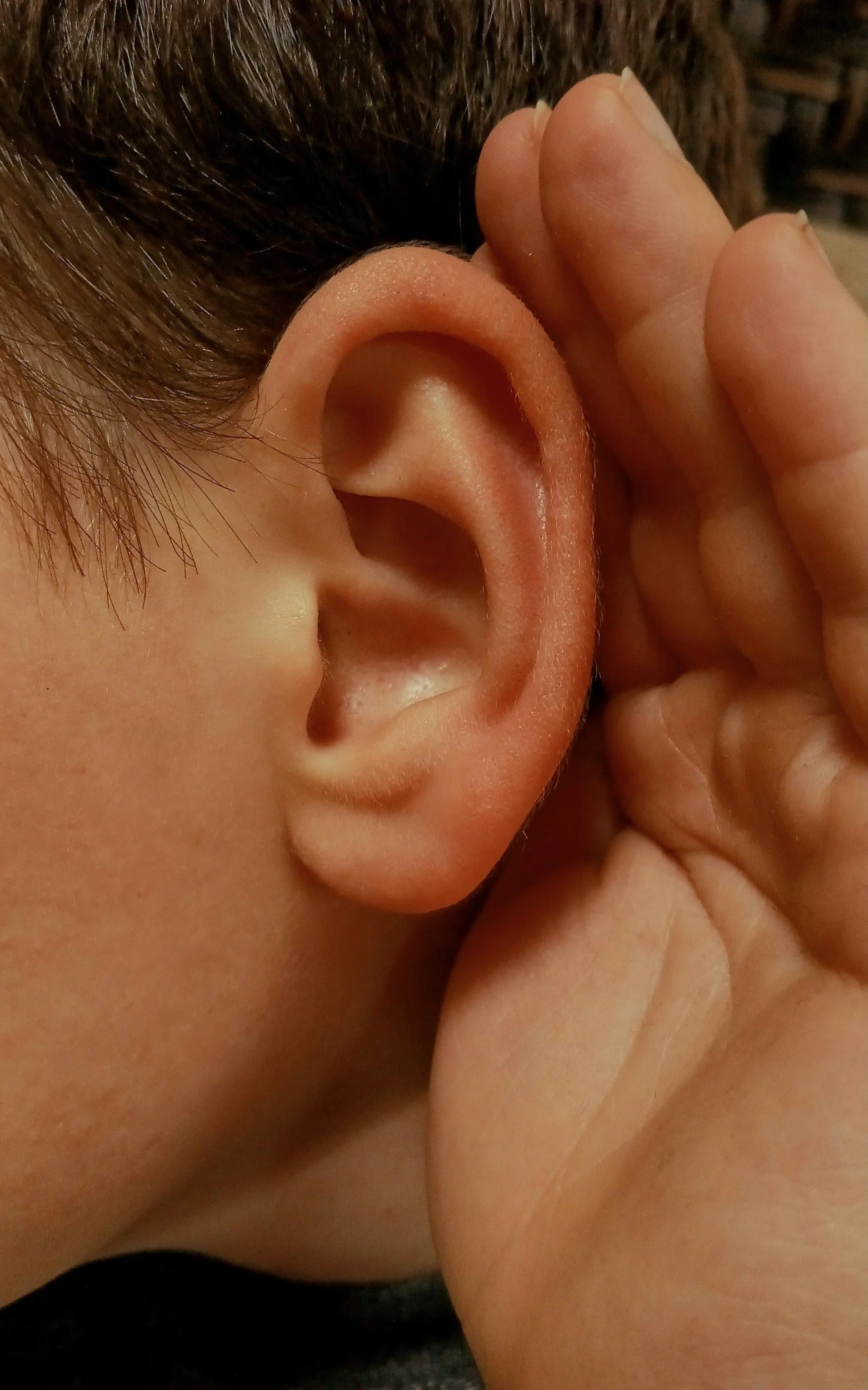
Do You Hear or See Your Story? A Drafting Insight for Novelists
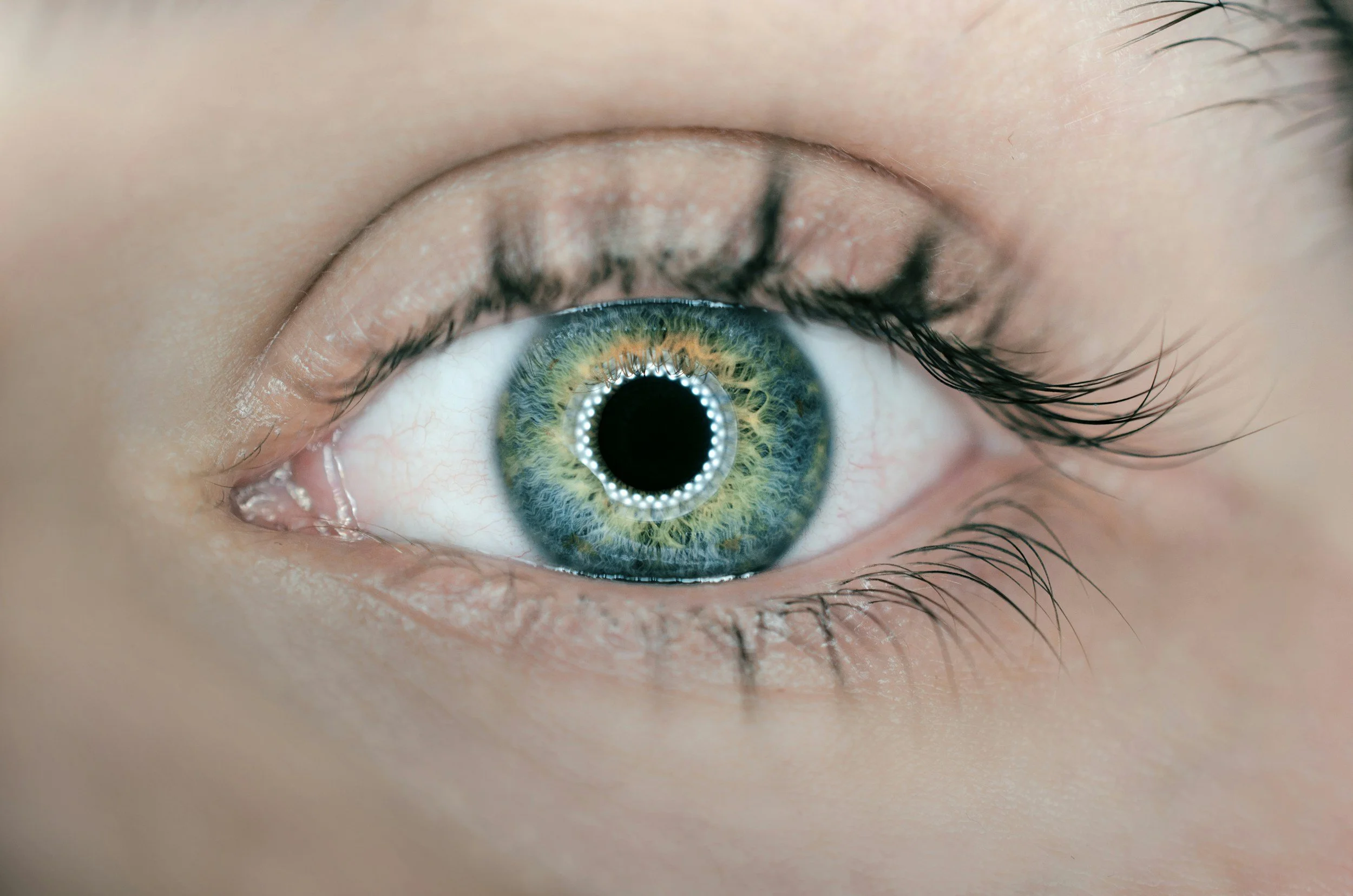
When you write, do you hear the story, or do you see the story?
This is a question that came up for me when I was coaching a client recently. I recognized a pattern in her writing that mirrors my own; both of us love to tell a story through dialogue. We thrive on the energy and emotion a scene with authentic dialogue can create. It’s one of the reasons I love this client’s writing. Her characters’ voices are sarcastic, witty, and real.
My inclination for dialogue makes sense; I have a theater degree and taught high school theater for many years. I’ve read a lot of plays (and written a handful). Dialogue is my go-to for drafting; I’ll ask my characters to talk amongst themselves if I hit a sticky plot point.
Revising my own novel has led me to another discovery. I hear my stories before I see them. Much of my revision work has been weaving in imagery details. What do my characters look like? What are their surroundings like? These visual details are ones I tend to gloss over when I’m drafting. Other writers have the opposite type of revision work: they have concrete imagery and interiority, but the characters need to talk to each other more.
Draft the Way Your Brain Naturally Works
Many writers assume they need to get everything right the first time: dialogue, setting, description, pacing, interiority. But trying to juggle all of that at once can stall your momentum before the story even begins to unfold. Believe me. I’ve been there. Writing scenes isn’t fun when you’re stressing about every detail. Why don’t I know what my characters look like yet? Why can’t I visualize the room they’re in? I’ve learned to let the dialogue do its work, knowing I can layer in the visuals later.
Knowing your natural writing tendencies while drafting can help you write forward more quickly, and it lets you know what you’ll need to revise later. In the early stages of writing, don’t force yourself to both hear and see at the same time. Lean into your natural style first and then weave in those other aspects of your writing when you revisit the scene.
I’ve found that when I let myself just write, drafting becomes a far more enjoyable process. As a bonus, the writing itself improves because it isn’t forced.
You might discover that you are someone who sees the story first. You picture the room, the weather outside the window, the way the light hits the kitchen table. Then, during revision, you may realize your characters need to speak more directly to each other. That is not a flaw. It is simply the shape your creative instincts take.
The key is awareness. Once you know your natural tendency, revision becomes clearer. You stop wondering why your scenes feel incomplete and start recognizing which layer of storytelling needs attention.
So next time you sit down to write, ask yourself: Are you a painter or a performer on the page?